
The Future of Elderly Care: Cutting-Edge Technologies Transforming Homes


Introduction to Technological Innovations in Elderly Care
The landscape of elderly care is undergoing a remarkable transformation, thanks to cutting-edge technologies. These innovations are not only enhancing the quality of life for seniors but also providing peace of mind for their families. From smart home devices to advanced health monitoring systems, technology is paving the way for more independent and secure living environments.
As the global population ages, the demand for efficient and effective elderly care solutions continues to rise. The integration of technology into daily life is offering new opportunities to support the aging community in ways we could only imagine a few decades ago.
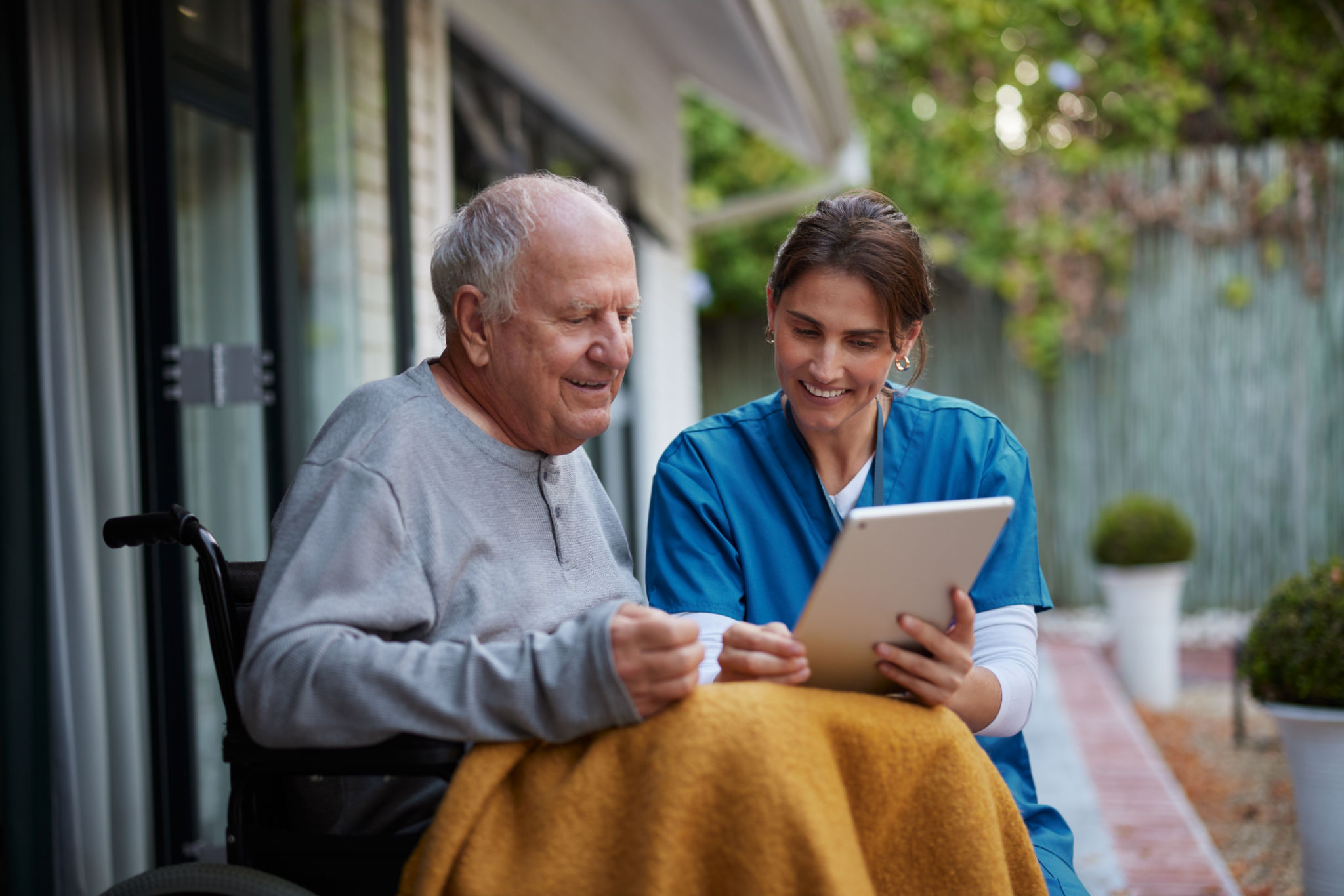
Smart Home Devices for Enhanced Safety
Smart home devices are at the forefront of this transformation. These devices, such as automated lighting, smart thermostats, and voice-activated assistants, are designed to make daily tasks easier and safer for seniors. With the ability to control various home functions through simple voice commands or smartphone apps, seniors can enjoy increased autonomy.
Moreover, smart security systems are providing an added layer of protection. Features like motion sensors and security cameras can alert family members or caregivers if unusual activity is detected, ensuring timely intervention if needed.
Wearable Health Monitoring Devices
Wearable technology is another sector experiencing rapid growth in elderly care. Devices like smartwatches and health trackers monitor vital signs such as heart rate, blood pressure, and oxygen levels. These wearables can send real-time data to healthcare providers, allowing for proactive health management and early detection of potential issues.

Telehealth: Remote Access to Care
Telehealth services have become an integral part of elderly care, especially in remote or underserved areas. By providing remote consultations with healthcare professionals, telehealth reduces the need for frequent in-person visits, which can be challenging for some seniors. This technology ensures that medical advice and support are just a video call away.
The convenience and accessibility of telehealth are transforming how seniors interact with healthcare services, making it easier to maintain regular check-ups and manage chronic conditions from the comfort of their homes.

Robotics in Daily Assistance
Robotics is making significant strides in elderly care by offering assistance with daily activities. Robotic companions can help with tasks such as medication reminders, meal preparation, and even companionship. These robots are designed to be user-friendly, with intuitive interfaces that cater to the needs of seniors.
The emotional and physical support provided by robotic technology is helping to alleviate loneliness and improve the overall quality of life for many seniors.
Challenges and Considerations
While the benefits of these technologies are clear, there are challenges to consider. Privacy concerns, data security, and the need for user-friendly designs are critical aspects that developers must address. Ensuring that these technologies are accessible and affordable for all seniors is also a priority.
Collaboration between technology companies, healthcare providers, and policymakers will be essential in overcoming these challenges and ensuring that technological advancements continue to benefit the elderly community effectively.
The Road Ahead
The future of elderly care is bright and promising, with technology at its core. As innovations continue to emerge, the possibilities for improving the lives of seniors are boundless. By embracing these advancements, we can create a world where aging is met with dignity, independence, and enhanced well-being.
The ongoing evolution of technology in elderly care promises to deliver solutions that are not only practical but also deeply enriching, ensuring that seniors can enjoy their golden years to the fullest.